
双耀
Maximizing Productivity with Efficient Industrial High Pressure Pumps
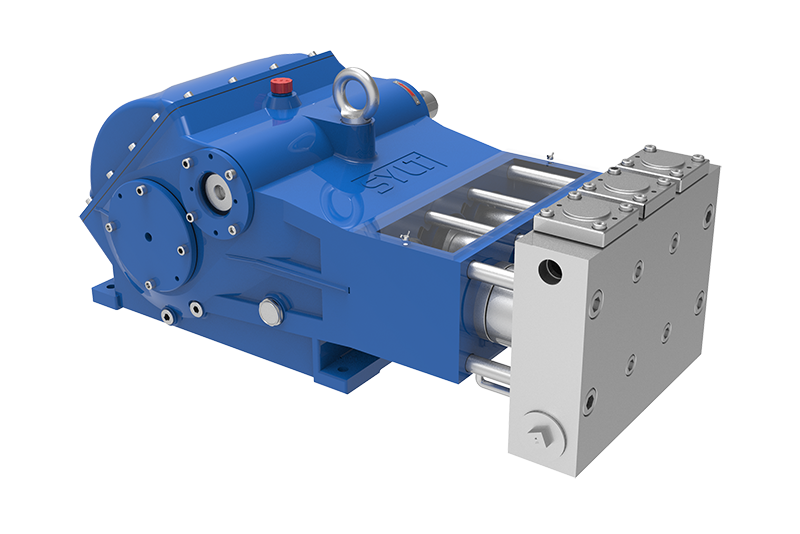
Maximizing Productivity with Efficient Industrial High Pressure Pumps
Table of Contents
1. Introduction to High Pressure Pumps
2. Understanding the Importance of Pump Efficiency
3. Types of High Pressure Pumps
3.1 Positive Displacement Pumps
3.2 Centrifugal Pumps
3.3 Comparisons and Applications
4. Key Features of Efficient High Pressure Pumps
5. Best Practices for Maximizing Pump Efficiency
5.1 Regular Maintenance and Inspections
5.2 Optimizing System Design
5.3 Monitoring and Automation
6. Troubleshooting Common High Pressure Pump Issues
7. Case Studies: Successful Implementations of High Pressure Pumps
8. Frequently Asked Questions (FAQs)
9. Conclusion
1. Introduction to High Pressure Pumps
High pressure pumps play a critical role in various industrial processes, delivering fluids at elevated pressures to meet specific operational needs. These pumps are indispensable in industries such as manufacturing, mining, and chemical processing, where precise fluid management is essential for maximizing productivity and achieving operational excellence. Understanding the fundamentals of high-pressure pumps can significantly impact your facility's performance and efficiency.
2. Understanding the Importance of Pump Efficiency
**Pump efficiency** is a measure of how effectively a pump converts mechanical energy into hydraulic energy. Higher efficiency means lower energy costs, reduced wear and tear on equipment, and ultimately, a longer lifespan for the pump. In an era where operational costs are under constant scrutiny, maximizing pump efficiency is not merely a recommendation; it is a necessity for businesses looking to stay competitive.
3. Types of High Pressure Pumps
Industrial high-pressure pumps can be classified into several categories based on their operational mechanisms and applications. Understanding these types will help you choose the most suitable option for your specific needs.
3.1 Positive Displacement Pumps
Positive displacement pumps are designed to move fluid by trapping a fixed amount and forcing it into the discharge pipe. This type of pump is ideal for applications requiring high pressure and consistent flow rates. Common examples include gear pumps, diaphragm pumps, and piston pumps.
3.2 Centrifugal Pumps
Centrifugal pumps utilize rotational kinetic energy to move fluids. These pumps are generally more efficient for low-viscosity fluids and are commonly used in applications such as water supply and fluid transfer. However, they may struggle with high viscosities and creating high pressures compared to positive displacement pumps.
3.3 Comparisons and Applications
When selecting between positive displacement and centrifugal pumps, consider factors such as fluid viscosity, required flow rates, and pressure requirements. **Positive displacement pumps** excel in high-pressure situations, whereas **centrifugal pumps** are often favored for their simplicity and lower maintenance needs.
4. Key Features of Efficient High Pressure Pumps
To maximize productivity, your high-pressure pumps should possess several key features:
- **Energy Efficiency:** Look for pumps that offer high efficiency to minimize energy consumption.
- **Durability:** Pumps made from high-quality materials withstand wear and corrosion, ensuring longevity.
- **Adjustability:** Pumps with variable speed drives can adjust flow rates based on operational demands.
- **Ease of Maintenance:** Pumps designed for easy access facilitate regular maintenance, reducing downtime.
5. Best Practices for Maximizing Pump Efficiency
Maximizing the efficiency of high-pressure pumps involves strategic planning and ongoing management practices. Below are some best practices to consider:
5.1 Regular Maintenance and Inspections
Conducting routine maintenance checks and inspections can prevent unexpected breakdowns and extend the life of your pumps. Regularly inspect seals, bearings, and impellers for wear and tear. Implement a preventative maintenance schedule to catch issues early.
5.2 Optimizing System Design
A well-designed system can significantly enhance pump performance. Ensure that the pipework is appropriately sized to reduce pressure drops, and avoid unnecessary elbows and bends that can hinder fluid flow. Additionally, incorporating **flow metering** and control systems can optimize operations.
5.3 Monitoring and Automation
Integrating monitoring systems allows for real-time performance tracking and data collection, which can inform maintenance schedules and operational adjustments. Automated systems can help manage flow rates and pressures, ensuring optimal performance under varying conditions.
6. Troubleshooting Common High Pressure Pump Issues
Even the most efficient high-pressure pumps can experience issues. Common problems include:
- **Cavitation:** This occurs when vapor bubbles form in the pump, leading to decreased performance and potential damage. Ensure that the pump operates within its NPSH (Net Positive Suction Head) limits to avoid cavitation.
- **Vibrations:** Excessive vibrations can indicate misalignment or imbalance. Regular checks can help identify and rectify these issues before they lead to significant damage.
- **Leakage:** Inspect seals and joints regularly. Leakage can result in loss of pressure and can be indicative of wear.
7. Case Studies: Successful Implementations of High Pressure Pumps
Examining real-world implementations of high-pressure pumps can provide valuable insights. For instance, a chemical processing plant implemented **high-pressure diaphragm pumps** to increase efficiency in their fluid transfer operations, resulting in a **30% reduction in energy costs** and an **increase in production output.** Such examples highlight the critical role that high-pressure pumps play in enhancing productivity.
8. Frequently Asked Questions (FAQs)
**Q1: How do I choose the right high-pressure pump for my application?**
A1: Consider factors such as the type of fluid, required flow rate, operating pressure, and your facility’s specific operational needs.
**Q2: What maintenance is required for high-pressure pumps?**
A2: Regular inspections, lubrication of moving parts, and checking seals and bearings for wear are essential routines to ensure longevity.
**Q3: Can high-pressure pumps be used in hazardous environments?**
A3: Yes, but it’s crucial to select pumps specifically designed for hazardous environments to ensure safety and compliance with regulations.
**Q4: How does pump efficiency affect overall operational costs?**
A4: Higher efficiency pumps consume less energy, leading to lower operational costs and reduced environmental impact.
**Q5: What are the signs that my high-pressure pump needs repair?**
A5: Look for signs such as unusual noises, decreased performance, increased vibrations, or visible leaks.
9. Conclusion
In conclusion, **maximizing productivity with efficient industrial high-pressure pumps** is essential for maintaining a competitive edge in today's fast-paced industrial environment. By understanding the different types of pumps, implementing best practices for maintenance and efficiency, and being proactive in troubleshooting, industries can significantly improve their operational performance. Investing in high-quality pumps and employing strategies that enhance their efficiency can lead to substantial cost savings and increased productivity.

The 17th China International Powder Metallurgy and Hard Alloy Exhibition
The 2025 17th China International Powder Metallurgy and Hard Alloy Exhibition from March 10-12, 2025, at the Shanghai World Expo Exhibition and Convention Center, Hall H1, B425. We welcome guests to visit.
"Private custom" product design, reliable and durable finished products
"Private custom" like product design, reliable and durable finished products, professional and timely after-sales service. It is the "three basic concepts" that the company adheres to from the beginning until today ".
Experienced market research team, independent product development concept
We have experienced mature market research team, independent product research and development concept, professional design and manufacturing technology so that the company's products can be adjusted according to the specific requirements of customers timely design
Contact CONTACT
Address: No.2 Road, Xiaodian Town Industrial Zone, Beichen District, Tianjin


Copyright©Shuangyao (Tianjin) Fluid Power Equipment Co., Ltd.